Where the war intensifies, aid must endure
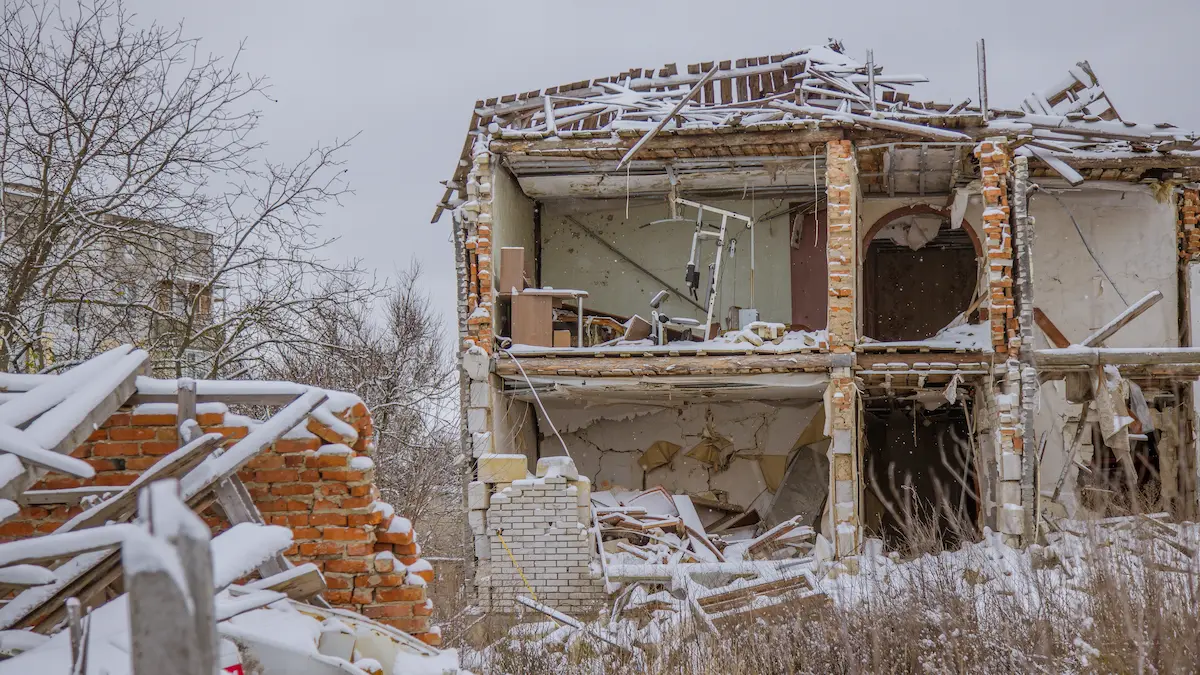
I am writing these lines with the 21% battery left on my computer, sitting in a basement less than 20 kilometers from the front line. From this shelter, the reality of war is striking. It is now approaching the length of World War I. The war is no longer just a series of shocks and movements but a war of endurance, marked by continuous intensification. The number of missiles and drones hitting Ukraine each month has increased from about 1,000 in August 2024 to 5,200 in December 2025. This escalation is now fully experienced in the heart of winter.

This winter is also the coldest in years, with temperatures reaching –19 degrees. Heating systems struggle or fail. In these long, freezing nights, silence is broken only by the mechanical noise of drones and the distant rumble of missiles. I recently visited a young family in a village previously occupied in northeastern Ukraine. The parents have young children, including a newborn. Their house is damaged but still standing. They have repaired what they could and barricaded the rest. Their hopes were modest: safety, stability, a future for their children. “We want a good and safe life for them,” the mother told me, as if stating something obvious that remains out of reach here.
A few nights later, a heavy missile attack woke me. The building shook, fear arrived quickly, but I only had to protect myself. My thoughts immediately returned to this family: to these parents trying to calm their frightened children, who have known nothing but war, and the fatigue that accumulates day after day.
This is the part of war we rarely speak about: the gradual loss of security, stability, and mental well-being. Children show signs of anxiety and developmental delay, adults exhaustion, and the elderly remain alone in damaged homes.
For many communities along Ukraine’s northeastern border, leaving has never been a realistic option. The cost of leaving, both financial and emotional, is too high. So people stay. They endure. They adapt and carry the full weight of the war.
Winter amplifies every vulnerability. A missing window becomes a health risk. A damaged roof triggers a crisis. Hospitals run what they can on generators. Families sleep in their coats. Holding on becomes harder every day. Today, humanitarian aid in Ukraine goes far beyond emergency response you may have already supported. It is long-term (Medair has been present in Ukraine since 2022) to help families endure: ensuring access to water, heating, and shelter so they can stay in their homes. Support that preserves not only life but also dignity and resilience.
The war continues. And life does too.
Between blackouts and air raid alerts, families celebrate birthdays, children learn to read, neighbors repair each other’s roofs. Carrying on is not a choice. It is a daily ordeal. This ordeal comes at a cost. It strains survival, dignity, and the very possibility of staying home. These people do not fight for the extraordinary, just to preserve the essential: an ordinary future.
Where the war intensifies, aid must endure.
Your support enables life-saving aid where needs are greatest: emergency heating to survive the winter, repairs to damaged shelters, protection services and psychosocial support to help families endure the war. You allow families like the one I met in northeastern Ukraine to face this ordeal with dignity and hope. As I write, I also think of families facing hunger in Sudan, forced displacement in Lebanon, or natural disasters in Madagascar and other crisis countries where our teams are active.
With your donation today, Medair can respond where the needs are greatest, in Ukraine and in all other countries where we operate.
Can we count on your support ?
With gratitude,
Naomi Gumaer
Humanitarian worker – Medair Ukraine
This content was produced with resources gathered by Medair field and headquarters staff. The views expressed herein are those solely of Medair and should not be taken, in any way, to reflect the official opinion of any other organisation.
.webp)
.webp)
.webp)